Tips for Choosing St. Petersburg top Sliding Doors Services for Professional Service
Tips for Choosing St. Petersburg top Sliding Doors Services for Professional Service
Blog Article
Sliding Doors Services for Easy Access and Style
Sliding doors have become more sought after in contemporary dwellings because of their blend of utility and design beauty. They provide simple entry between inside and outside areas while boosting natural light. Given diverse options and textures accessible, homeowners can locate selections that fit their design preferences. Nonetheless, it's crucial to factor in installation approaches and maintenance practices to guarantee longevity. Understanding these aspects can substantially affect a property's overall ambiance and security. What factors should one emphasize when picking sliding doors?
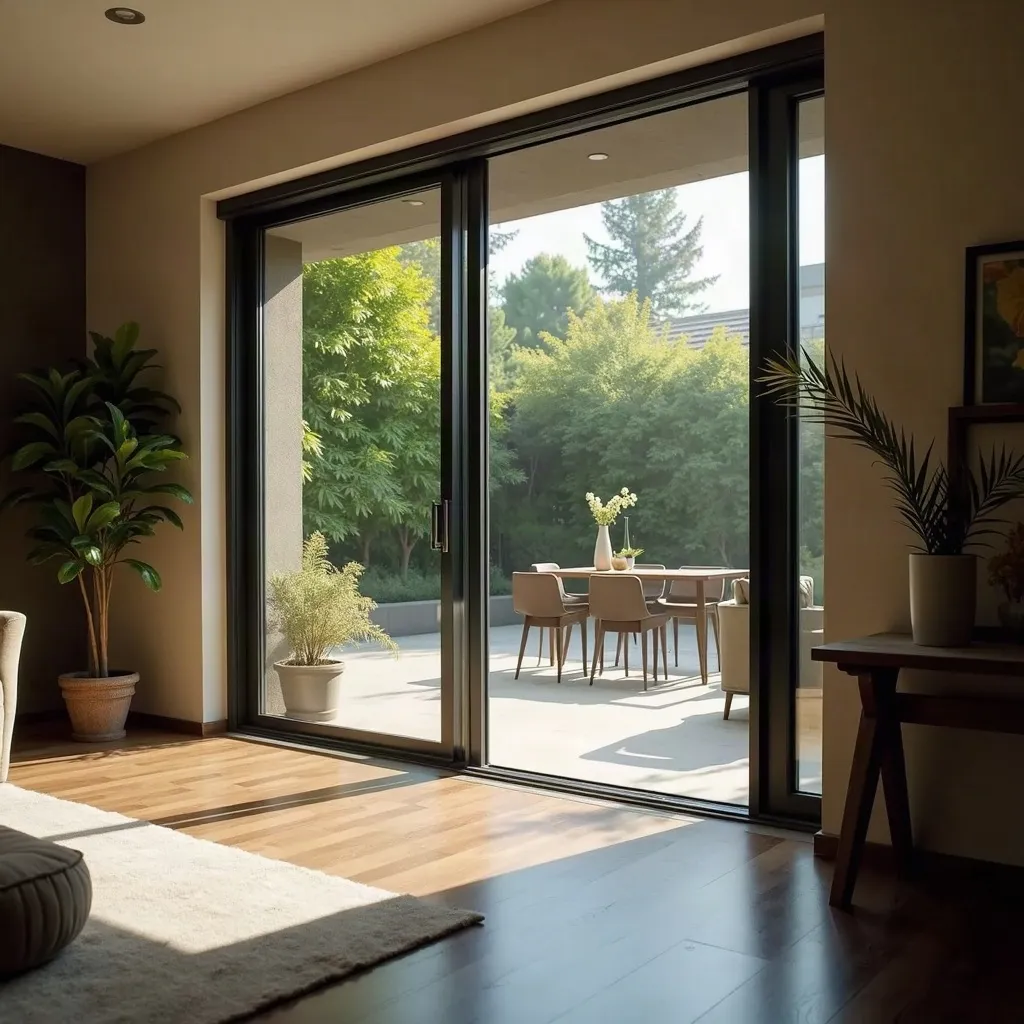
The Advantages of Sliding Doors for Modern Homes
Sliding doors have progressively emerged as a sought-after choice for modern homes, as they smoothly unite indoor and outdoor spaces. Their design enhances natural light, establishing an spacious, airy feel that can make even smaller rooms feel more expansive. Additionally, the user-friendly design allows for convenient entry to patios, gardens, or balconies, promoting a more unified way of living.
Energy efficiency represents another significant benefit; many sliding doors are supplied with double or triple glazing, helping to maintain temperature control and reduce utility expenses. The low-maintenance nature of sliding doors continues to appeal to homeowners, as they need minimal upkeep compared to conventional swing doors.
Moreover, their elegant aesthetic choices can complement various architectural styles, offering both visual charm and practicality. Overall, sliding doors offer a practical solution for improving living spaces while contributing to a contemporary home environment.
Different Varieties of Sliding Doors to Contemplate
When contemplating the ideal sliding door for a home, it is essential to study the multiple styles in existence, each presenting different features and aesthetics. Traditional sliding doors often feature two panels that move along a track, providing a timeless look suitable for many homes. On the other hand, current styles often incorporate larger glass panels, maximizing natural light and establishing a seamless shift between indoor and outdoor spaces. Bi-fold sliding doors are increasingly popular, permitting for expansive openings that can alter a room when fully opened. For a more up-to-date touch, pocket sliding doors slide into the wall, saving space and presenting a minimalist appearance. Finally, barn-style sliding doors, with their rustic charm, add character to any interior, resonating to those seeking a blend of style and function. Each style presents distinct advantages, making it vital for homeowners to evaluate their specific needs and design preferences.
Picking Gliding Door Finishes
Picking the correct materials for sliding doors is important for both usability and style. Multiple materials deliver unique benefits, impacting resilience, servicing, and visual appeal.
Wood, for instance, provides warmth and a classic look, but demands regular upkeep to prevent damage from warping and weather conditions. Metal, particularly aluminum, is recognized for its durability and minimal upkeep, rendering it appropriate for modern aesthetics. Glass is another popular choice, permitting clear sightlines and daylight; however, it requires careful consideration concerning thermal performance and protection.
Composite materials merge the advantages of wood and synthetic substances, offering enhanced durability without compromising appearance. Ultimately, the selection of material should reflect the homeowner's design preferences and practical needs, ensuring that the sliding doors not only improve the space but also withstand the test of time. Emphasizing quality in material choice is critical for achieving durable and aesthetically pleasing sliding door solutions.
Why Folding Doors Increase Brightness and Square Footage?
An abundance of natural light and an illusion of openness are two major benefits provided by expertly crafted sliding doors. These doors typically feature large glass panels that permit natural light to fill indoor spaces, creating a warm and inviting atmosphere. This influx of natural light not just enhances the visual beauty of a space but also promotes improved mood and wellness.
Additionally, sliding doors can visually expand spaces, giving them a sense of larger and more open. Unlike conventional swing doors that need extra room for operation, sliding doors move along a rail, maximizing usable floor space. This architectural feature is particularly beneficial in smaller homes or apartments where every square foot counts.
DIY versus Expert Sliding Door Setup: What Should You Choose?
When assessing sliding door setup, homeowners often evaluate the benefits of DIY versus enlisting professionals. Key components include cost considerations, individual skill levels, and the time needed to complete the project efficiently. Each option offers distinct advantages that can significantly impact the overall outcome and satisfaction with the installation.
Expense Evaluation And Financial Plan
While homeowners often ponder the pros and cons of fitting sliding doors themselves versus bringing in professionals, cost considerations play a crucial role in this decision. DIY installation may at first seem more economical, as it does away with labor costs. However, homeowners must factor in potential expenses for instruments, building materials, and any mistakes made during the process, which can drive up costs unexpectedly. Conversely, professional installation typically incurs higher upfront costs but guarantees quality and efficiency, potentially bringing savings in the long run by avoiding future repairs. Ultimately, the choice between DIY and professional installation rests on balancing initial expenses with long-term value, making it necessary for homeowners to assess their financial situations carefully before making a decision.
Competency Level And Expertise
Cost considerations greatly influence the decision between DIY and expert sliding door installation. Individuals with a strong background in home improvement may opt for the DIY route, assured in their ability to manage tools and adhere to installation instructions. This approach can save money, but it demands a solid understanding of structural integrity and alignment. Conversely, those lacking experience might find professional installation more suitable, ensuring the door operates smoothly and safely. Professionals bring expertise, reducing the risk of mistakes that could lead to additional costs later. Ultimately, the decision copyrights on one's skill level and comfort with home projects, weighing potential savings against the assurance of quality workmanship.
Time Investment And Efficiency
Although the selection between DIY and professional sliding door installation often relies on skill level, time investment plays an key role as well. DIY devotees may take pleasure in the challenge, yet the process can be demanding, often requiring extensive investigation, arrangement, and potential fixes. On the other hand, contracting experts typically guarantees a speedier installation, as veteran technicians can overcome challenges adeptly. This expertise minimizes disruptions and allows homeowners to use their new doors faster. Moreover, the time saved by selecting expert services can be precious, notably for those with packed schedules. All in all, reviewing time investment against skill and efficiency can guide homeowners in determining the best decision for their sliding door installation needs.
Essential Upkeep Guidelines for Long-Lasting Sliding Doors
Preserving sliding doors requires regular maintenance for achieving their extended lifespan and usefulness. Routine track care, correct application of lubricants, and periodic evaluations for deterioration can noticeably enhance their performance. By employing these necessary care techniques, occupants can retain the resilience and seamless motion of their sliding doors.
Standard Track Cleaning
Regular cleaning of tracks is important for maintaining the extended life and proper functioning of sliding doors. Accumulation of dirt, debris, and dust can obstruct the door’s movement, leading to potential damage and deterioration. Regular servicing includes examining the tracks for any buildup and using a brush or vacuum to remove debris. A moist cloth can be applied to wipe down the tracks, ensuring a pristine condition for maximum efficiency. Also, inspecting any rust or wear can detect issues before they escalate. Keeping clean tracks not only enhances the look of the doors but also strengthens their overall durability, ensuring a smooth sliding for the long term.
Lubrication Procedures
Proper lubrication is important for the ideal performance and longevity of sliding doors. Regular application of lubricant to the tracks and rollers reduces friction, allowing smooth operation. It is recommended to use a silicone-based lubricant, as it keeps away dust and grime, which can accumulate and hinder movement. A spray lubricant can be applied directly on the rollers and track, followed by operating the door to distribute the lubricant evenly. Excess lubricant should be wiped off to prevent buildup. Routine lubrication, ideally every six months, improves the door's functionality and reduces wear and tear. By maintaining proper lubrication, homeowners can enjoy effortless access and extend the lifespan of their sliding doors.
Inspection for Harm
Conducting inspections on sliding doors for issues is a key step in ensuring their long-term and optimal performance. Frequent evaluations should include the frame, tracks, and glass panels. Visible cracks or chips in the glass can threaten safety and energy efficiency, while degraded or misaligned tracks might impair smooth operation. The weather stripping must be inspected as well; damaged seals can result in drafts and higher energy costs. Additionally, inspecting metal components for rust or corrosion is necessary, as these problems impact durability. If any damage is noticed, it should be addressed immediately through repairs or replacement. By being diligent with inspections, homeowners can prolong the lifespan of their sliding doors and boost their overall effectiveness.
Improving Sliding Door Safety
Reinforcing sliding door safety is imperative for protecting homes and commercial entities. Sliding doors, although practical, can be vulnerable entry points for unwanted visitors. To enhance security, homeowners can mount quality locks built for sliding doors. These locks present an extra layer of protection compared to standard mechanisms.
Additionally, adding anti-lift systems and protective bars can stop unauthorized access by keeping the door from being lifted out of its track. Tempered glass is another essential enhancement, as it resists cracking and boosts durability.
Routine maintenance is also vital; making sure that tracks are spotless and devoid of debris can avoid malfunctions. Homeowners should think about using intelligent technology, such as sensors and alarms, which can notify them to potential intrusions. By implementing these measures, individuals can greatly enhance the safety of their sliding doors, guaranteeing peace of mind while keeping ease of access.
Regularly Requested Questions
What Are the Average Costs of Setting Up Sliding Doors?
The typical costs associated with installing sliding doors generally span from $1,000 to $3,000, affected by materials, size, and installation complexity. Supplementary costs could stem from customization and extraction of existing doors.
Can Sliding Doors Be Tailored for One-of-a-Kind Spaces?
Yes, glass sliding doors can be personalized to fit uncommon spaces. Options include different sizes, substances, colors, and aesthetics, allowing homeowners to craft a tailored look that accents their exact design requirements and own style inclinations.
Do Sliding Glass Doors Constitute Energy-Smart Options?
Sliding doors can be energy-efficient options when fitted with proper insulation and low-emissivity glass. Their design minimizes air leakage, enhancing thermal performance, which contributes to lower energy usage in residential and commercial spaces.
How Can I Take Accurate Measurements for Sliding Door Fitting?
To calculate for sliding door installation, one must find the size of the entrance. It's vital to gauge at three points: top, middle, and bottom for accurate dimensions, taking into account any blockages.
What Represent Widespread Sliding Door Issue Resolution Problems?
Common sliding door problem-solving problems consist of misalignment, difficulty sliding, damaged tracks, worn rollers, and gaps that allow drafts. Regular maintenance matching information can often fix these problems, ensuring smooth operation and proper sealing against the elements.
Report this page