A Guide to St. Petersburg top Sliding Doors Services for Quality Results
A Guide to St. Petersburg top Sliding Doors Services for Quality Results
Blog Article
Sliding Doors Services for Convenient Access and Elegance
Sliding doors remain widely preferred in modern homes due to their blend of functionality and artistic value. They provide convenient movement between indoor and outdoor spaces while amplifying natural light. Since numerous designs and substances are present, homeowners can find options that suit their style inclinations. Nevertheless, it's critical to take into account installation choices and maintenance habits to guarantee longevity. Understanding these aspects can greatly influence a home's overall ambiance and safety measures. What factors should one prioritize when deciding on sliding doors?
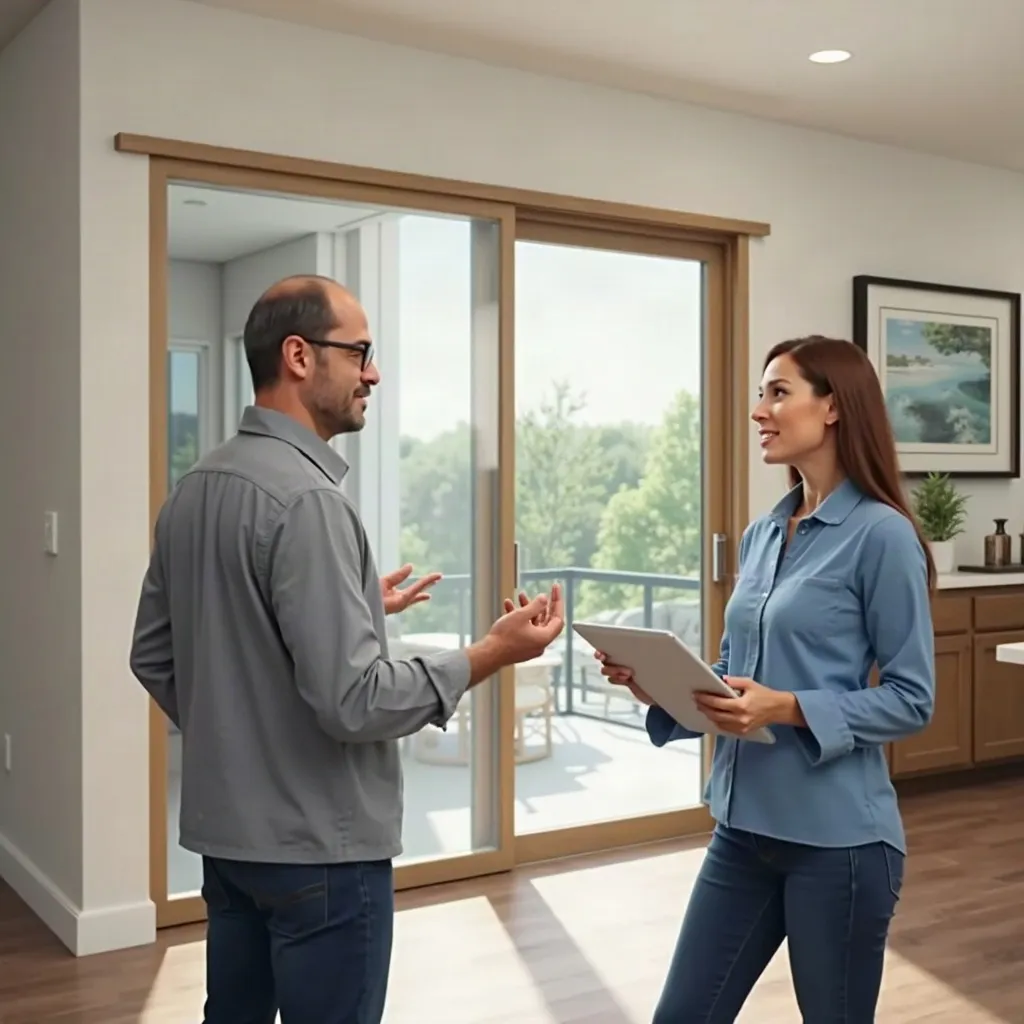
The Positive Aspects of Sliding Doors for Current Homes
Sliding doors have progressively emerged as a favored option for modern homes, as they smoothly unite indoor and outdoor spaces. Their design amplifies natural light, establishing an spacious, airy feel that can make even smaller rooms feel more roomy. Additionally, the user-friendly design allows for convenient entry to patios, gardens, or balconies, supporting a more unified way of living.
Energy conservation is another notable benefit; many sliding doors come outfitted with double or triple glazing, supporting temperature control and reduce energy costs. The low-maintenance characteristic of sliding doors additionally appeals to homeowners, as they require reduced upkeep versus traditional copyrightd doors.
Additionally, their modern style variations can work with various architectural styles, offering both decorative value and utility. Overall, sliding doors provide a practical solution for enhancing living spaces while contributing to a contemporary home environment.
Diverse Designs of Sliding Doors to Take Into Account
When examining the ideal sliding door for a home, it is vital to look into the sundry styles present, each offering singular features and aesthetics. Traditional sliding doors regularly feature two panels that flow along a track, providing a classic look befitting for many homes. On the other hand, progressive styles often integrate larger glass panels, optimizing natural light and crafting a seamless shift between indoor and outdoor spaces. Bi-fold sliding doors are increasingly celebrated, letting for expansive openings that can transform a room when fully opened. For a more modern touch, pocket sliding doors slide into the wall, saving space and yielding a minimalist appearance. Finally, barn-style sliding doors, with their rustic charm, add character to any interior, alluring to those seeking a blend of style and function. Each style presents distinct advantages, rendering it vital for homeowners to review their specific needs and design preferences.
Deciding on Sliding Door Materials
Picking the correct selections for sliding doors is necessary for both usability and aesthetics. Multiple materials provide unique advantages, impacting resilience, maintenance, and visual appeal.
Wood, for instance, offers a warm and traditional appearance, but requires regular upkeep to prevent warping and weather damage. Metal, especially aluminum, is known for its strength and low maintenance, rendering it appropriate for modern aesthetics. Glass is another popular choice, permitting clear sightlines and daylight; however, it requires thoughtful evaluation regarding thermal performance and protection.
Composite materials blend the advantages of wood and synthetic substances, providing enhanced durability without sacrificing appearance. In the end, the choice of material should reflect the homeowner's style preferences and practical needs, guaranteeing that the sliding doors not only enhance the space but also endure the test of time. Emphasizing quality in material selection is essential for achieving long-lasting and visually appealing sliding door solutions.
How Glass Panel Doors Optimize Natural Light and Space?
An abundance of daylight and an illusion of spaciousness are two major benefits provided by well-designed sliding doors. These doors usually feature expansive glass surfaces that allow sunlight to flood interiors, establishing a cozy and welcoming environment. This influx of daylight not only improves the visual beauty of a space but also promotes improved mood and well-being.
Furthermore, sliding doors can optically enlarge areas, giving them a sense of larger and more open spaces. Unlike conventional swing doors that need extra room for operation, sliding doors move along a rail, maximizing usable floor space. This design element is particularly beneficial in compact residences or condos where every square foot counts.
DIY compared to Professional Sliding Door Installation: Which Option Is Right for You?
When contemplating sliding door setup, homeowners often weigh the benefits of DIY versus employing professionals. Key factors include cost considerations, individual skill levels, and the time needed to complete the project effectively. Each option offers distinct advantages that can significantly impact the overall outcome and satisfaction with the installation.
Expense Analysis And Budget
While homeowners often ponder the strengths and weaknesses of fitting sliding doors themselves versus hiring professionals, cost considerations play a significant role in this decision. DIY installation may initially seem more economical, as it eliminates labor costs. However, homeowners must factor in potential expenses for tools, materials, and any mistakes made take the first step during the process, which can drive up costs unexpectedly. Conversely, professional installation typically demands higher upfront costs but guarantees quality and efficiency, potentially saving money in the long run by avoiding future repairs. Ultimately, the choice between DIY and professional installation rests on balancing initial expenses with long-term value, making it important for homeowners to review their financial situations carefully before making a decision.
Proficiency Level And Background
The expense considerations greatly affect the decision between DIY and professional sliding door installation. Those with strong home improvement experience may select the DIY approach, confident in their ability to use tools and follow installation guidelines. This strategy can save money, yet it needs a thorough understanding of structural integrity and proper alignment. In contrast, inexperienced individuals might find professional installation more advantageous, ensuring the door works smoothly and safely. Professionals offer expertise, lowering the risk of mistakes that could cause additional costs later. Ultimately, the decision rests on one's skill level and comfort with home projects, balancing potential savings against the guarantee of quality workmanship.
Time Commitment And Efficiency
Although the selection between DIY and professional sliding door installation often relies on skill level, time investment plays an key role as well. DIY devotees may delight in the challenge, yet the process can be demanding, often requiring comprehensive research, preparation, and possible troubleshooting. On the other hand, contracting experts typically guarantees a speedier installation, as veteran technicians can address challenges adeptly. This expertise reduces disruptions and allows homeowners to use their new doors faster. Moreover, the time conserved by selecting professional help can be precious, notably for those with packed schedules. All in all, weighing time investment against skill and efficiency can guide homeowners in determining the best decision for their sliding door installation needs.
Essential Upkeep Tips for Durable Sliding Doors
Protecting sliding doors is important for prolonging their functional life and dependability. Systematic track maintenance, effective lubrication methods, and planned assessments for wear and tear can significantly boost their operational performance. By adopting these vital upkeep guidelines, dwellers can preserve the durability and frictionless operation of their sliding doors.
Routine Track Upkeep
Regular track cleaning is key in maintaining the longevity and smooth operation of sliding door systems. Accumulated dirt, debris, and dust can impede the door’s movement, resulting in potential damage and wear and deterioration. Regular maintenance involves checking the tracks for any buildup and employing a vacuum or brush to remove debris. A damp cloth can be utilized to clean the tracks, providing a clean surface for optimal operation. Moreover, checking any wear or corrosion can help identify issues before they escalate. Maintaining clean tracks not only improves the aesthetic appeal of the doors but also increases their overall durability, enabling a seamless sliding experience for many years.
Lubrication Methods
Proper lubrication is essential for the ideal performance and longevity of sliding doors. Regular application of lubricant to the tracks and rollers minimizes friction, helping smooth function. It is advisable to use a silicone-based lubricant, as it resists dust and grime, which can accumulate and limit movement. A spray lubricant can be applied directly on the rollers and track, followed by moving the door to spread the lubricant evenly. Excess lubricant should be wiped away to prevent buildup. Routine lubrication, ideally every six months, improves the door's functionality and reduces wear and tear. By maintaining proper lubrication, homeowners can enjoy easy access and prolong the lifespan of their sliding doors.
Review for Damage
Inspecting sliding doors for defects is a significant aspect of ensuring their durability and optimal performance. Regular checks should focus on the frame, tracks, and glass panels. Visible cracks or fractures in the glass can compromise safety and energy efficiency, while worn or improperly aligned tracks may obstruct smooth operation. Inspecting the weather stripping is vital; damaged seals can lead to drafts and increased energy costs. Additionally, checking for rust or corrosion on metal components is necessary, as these problems can affect durability. If any damage is found, it is important to address it immediately, either through repairs or replacement. By maintaining vigilance in inspections, homeowners can prolong their sliding doors and enhance their overall functionality.
Strengthening Sliding Door Safety
Improving sliding door safety is imperative for protecting homes and businesses. Sliding doors, although convenient, can be vulnerable entry points for unwanted visitors. To enhance protection, homeowners can mount high-quality locks built for sliding doors. These locks present an added layer of protection compared to standard mechanisms.
Additionally, adding anti-lift systems and protective bars can restrict unwanted entry by keeping the door from being hoisted out of its track. Reinforced glass is another essential upgrade, as it resists cracking and strengthens durability.
Standard upkeep is also critical; ensuring that tracks are clean and absent of debris can stop malfunctions. Homeowners should evaluate using smart technology, such as sensors and alarms, which can alert them to potential security breaches. By adopting these tactics, individuals can greatly strengthen the safeguarding of their sliding doors, ensuring peace of mind while maintaining ease of access.
Often Asked Questions
How Much Do Typical Sliding Door Fitting Expenses Amount?
Installation expenses for sliding doors typically sit from $1,000 to $3,000, subject to materials, size, and installation intricacy. Incidental costs may arise from customization options and taking out of existing doors.
Do Sliding Doors Allow Adaptation for Distinctive Spaces?
Yes, sliding doors can be adjusted to fit unique spaces. Selections consist of assorted dimensions, components, colors, and designs, helping homeowners to create a tailored look that complements their particular building standards and individual aesthetic preferences.
Do Sliding Glass Doors Constitute Energy-Smart Options?
Sliding doors function as energy-efficient options when equipped with proper insulation and low-emissivity glass. Their design minimizes air leakage, enhancing thermal performance, which contributes to reduced energy consumption in residential and commercial spaces.
How Do I Measure for Sliding Door Installation?
To determine for sliding door installation, one needs to ascertain the measurements of the opening. It's critical to measure at three points: top, middle, and bottom for accurate dimensions, accounting for any obstructions.
What Include Popular Sliding Door Troubleshooting Issues?
Standard sliding door concerns that require diagnosis encompass misalignment, difficulty sliding, damaged tracks, worn rollers, and gaps that allow drafts. Regular care can often address these problems, ensuring smooth operation and proper sealing against the elements.
Report this page